When Detention Ends: AWJAI Interventions Secure Freedom for Three Individuals
Everyone deserves access to justice. Yet, some people remain in detention because their cases do not move forward or they cannot afford a court-imposed fine.
In October 2026, the Asabe Waziri Justice Advocacy Initiative (AWJAI) intervened in three cases. Through legal representation and financial support, AWJAI helped three individuals regain their freedom.
Their stories show why timely legal support matters.
Ms. P: Freedom After More Than Two Months in Detention
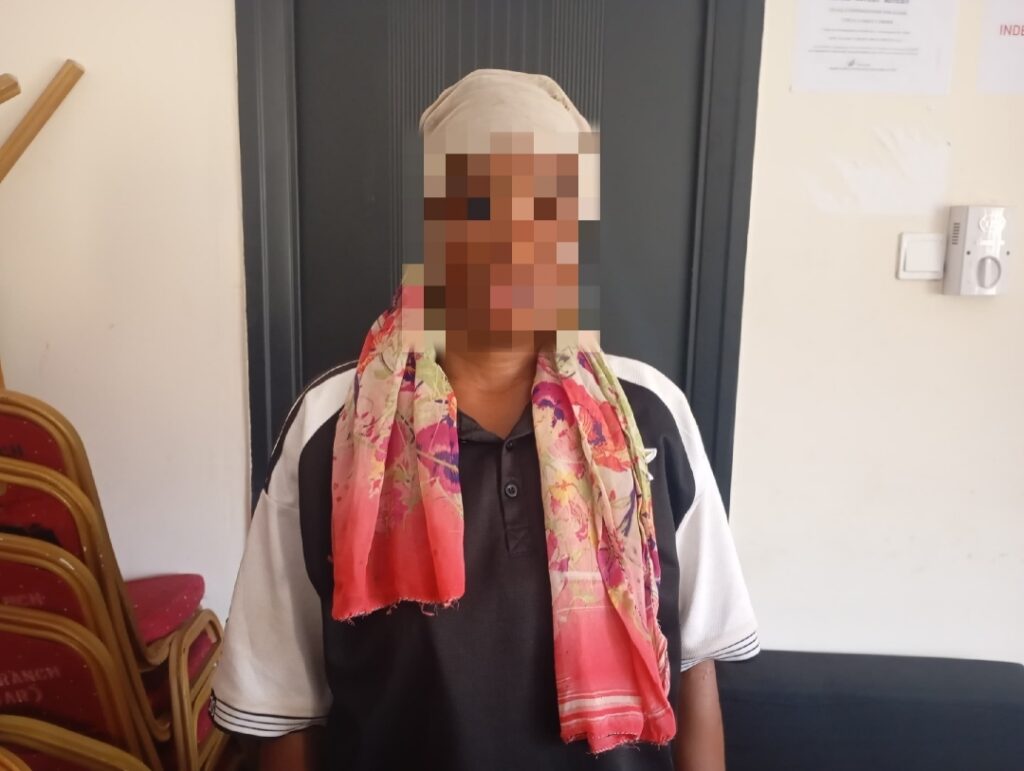
Ms. P spent more than two months at the Suleja Correctional Facility over a theft allegation. AWJAI stepped in to provide legal support.
On 5 October 2026, AWJAI represented her at the Magistrate Court in Kubwa. Counsel from Legend Golden Care Foundation also appeared in the matter.
However, neither the prosecution nor the nominal complainant appeared in court.
After Ms. P’s lengthy detention, AWJAI’s counsel asked the court to strike out the case for want of diligent prosecution. The court granted the application and struck out the case.
The court also described the matter as frivolous. It noted that the dispute involved parties who had previously been in an intimate relationship. The nominal complainant had reported the matter to the police but later abandoned the case.
For Ms. P, the ruling meant freedom.
During her time in detention, she learned tailoring. She now hopes to use this skill to earn a living and rebuild her life.
Her experience shows the human cost of delayed justice. A stalled case can cost a person time, income and contact with loved ones. It can also leave them uncertain about their future.
AWJAI’s intervention helped bring the case before the court and end Ms. P’s detention.
Mr. M: A Case Struck Out, a Life Waiting Outside
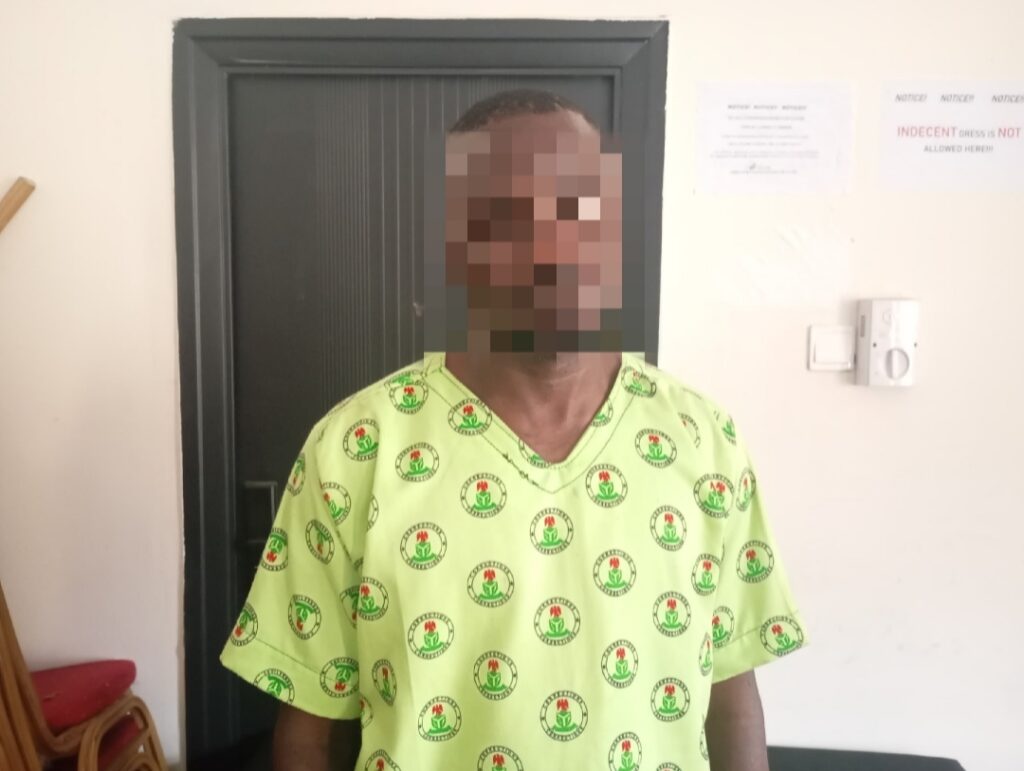
Mr. M also faced a theft allegation. AWJAI took up his case at the Magistrate Court in Kubwa on 2 October 2026.
When the matter came up, neither the prosecution nor the nominal complainant appeared in court.
AWJAI’s counsel applied for the court to strike out the case because the prosecution had not diligently pursued it.
On 5 October 2026, the court struck out the case and discharged Mr. M.
The ruling gave him an opportunity to move forward with his life.
His experience highlights an important issue in the justice system. When a case stalls, a person may continue to face uncertainty and restrictions on their freedom.
A case file represents more than paperwork. It represents a person with a family, responsibilities and plans for the future.
The justice system must handle cases fairly and without unnecessary delay. Where the prosecution fails to pursue a case diligently, the court must consider the appropriate legal response.
Mr. S: Financial Assistance That Made Freedom Possible
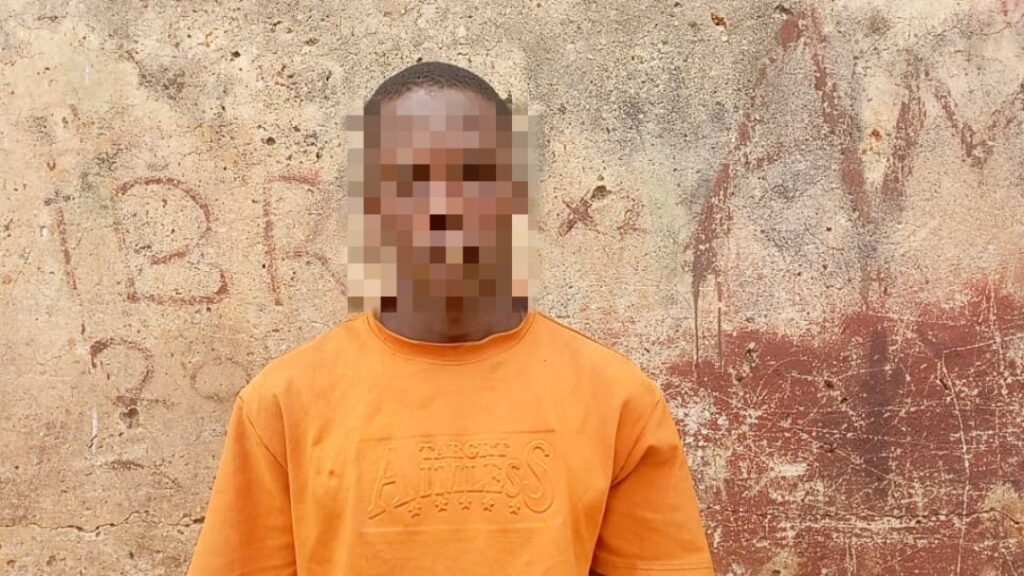
For Mr. S, money stood between him and freedom.
Police arrested him during a raid at about 10 p.m. near his workplace in Dikko, Niger State. He was later brought before the court, which sentenced him to six months in prison with an option of a fine.
Mr. S faced the challenge of paying the fine to secure his release. AWJAI intervened and paid the required amount.
This support enabled him to leave detention.
His case shows how financial hardship can keep a person in custody, even when a court has offered the option of paying a fine instead of serving a prison sentence.
By paying the fine, AWJAI helped remove this barrier and gave Mr. S an opportunity to return to his life outside detention.
Access to Justice Must Lead to Meaningful Outcomes
hese three cases involved different challenges. Ms. P and Mr. M needed legal support after the prosecution failed to pursue their cases diligently. Mr. S needed financial help to pay his court-imposed fine.
In each case, AWJAI took action to address a barrier to freedom.
Access to justice means more than having laws and courts. People must also be able to seek legal help and receive fair treatment under the law.
AWJAI provides legal support and works to address barriers that prevent people from accessing justice. Through these interventions, the Initiative helps protect rights, promote accountability and support fairer justice processes.
No one should be left waiting indefinitely for a case to progress. Financial hardship should not prevent a person from accessing a lawful route to release.
AWJAI will continue to work towards a justice system that respects human dignity, protects fundamental rights and gives everyone a fair opportunity to seek justice.