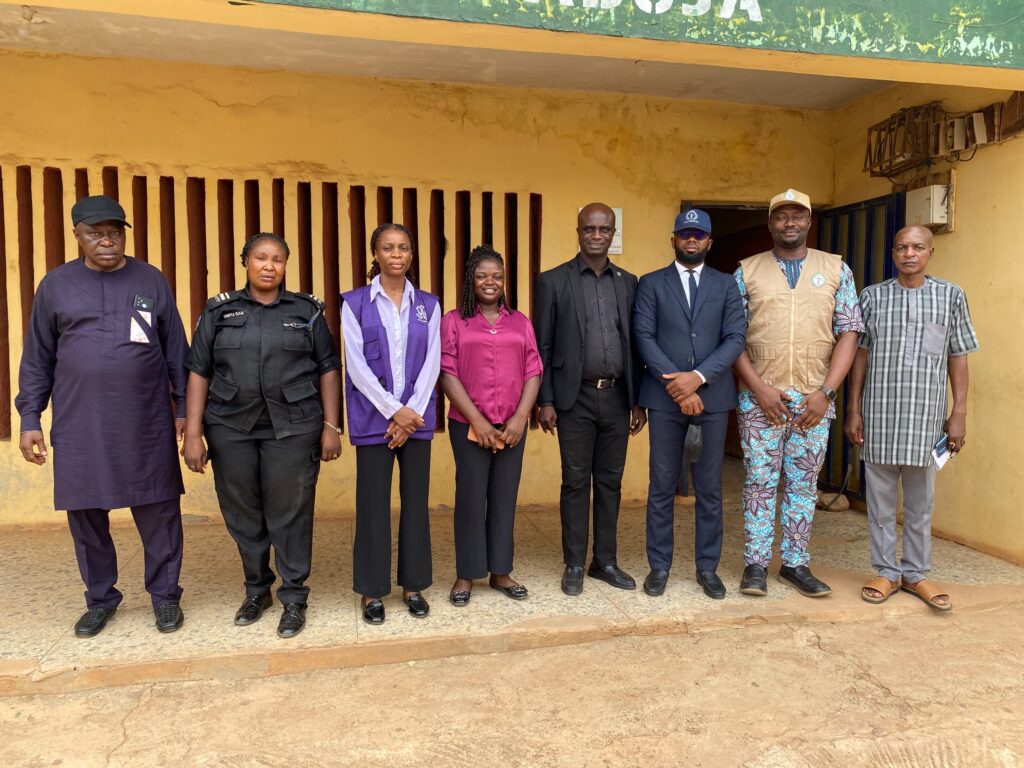
June 2026 Police Oversight Visits Across the FCT
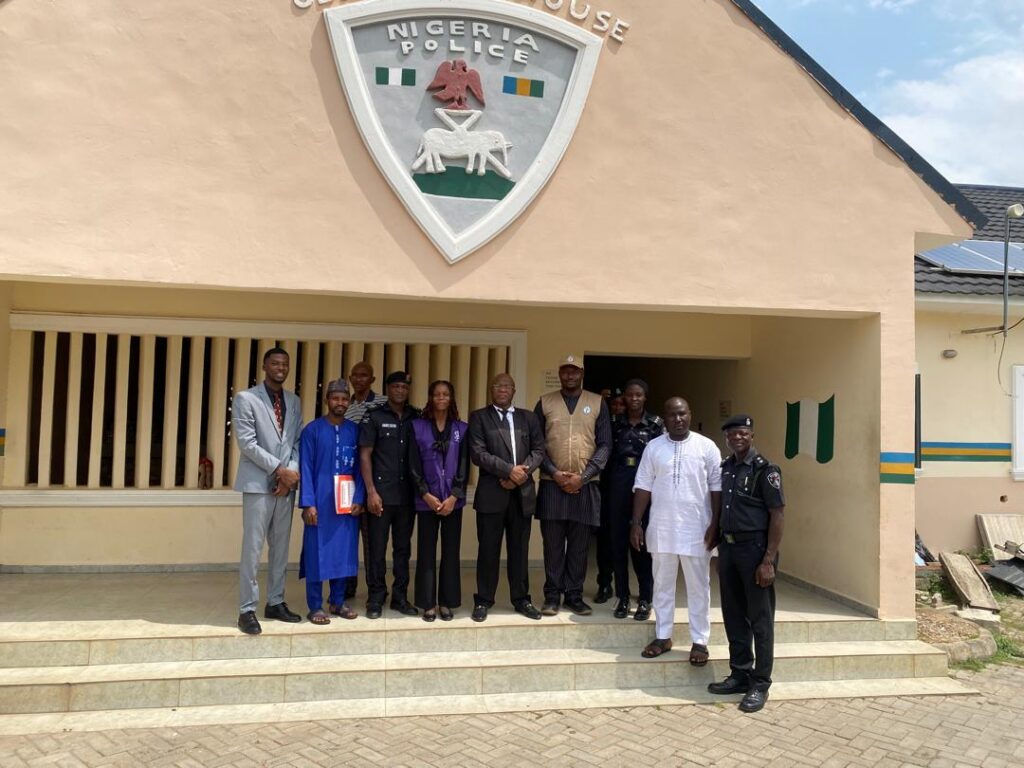
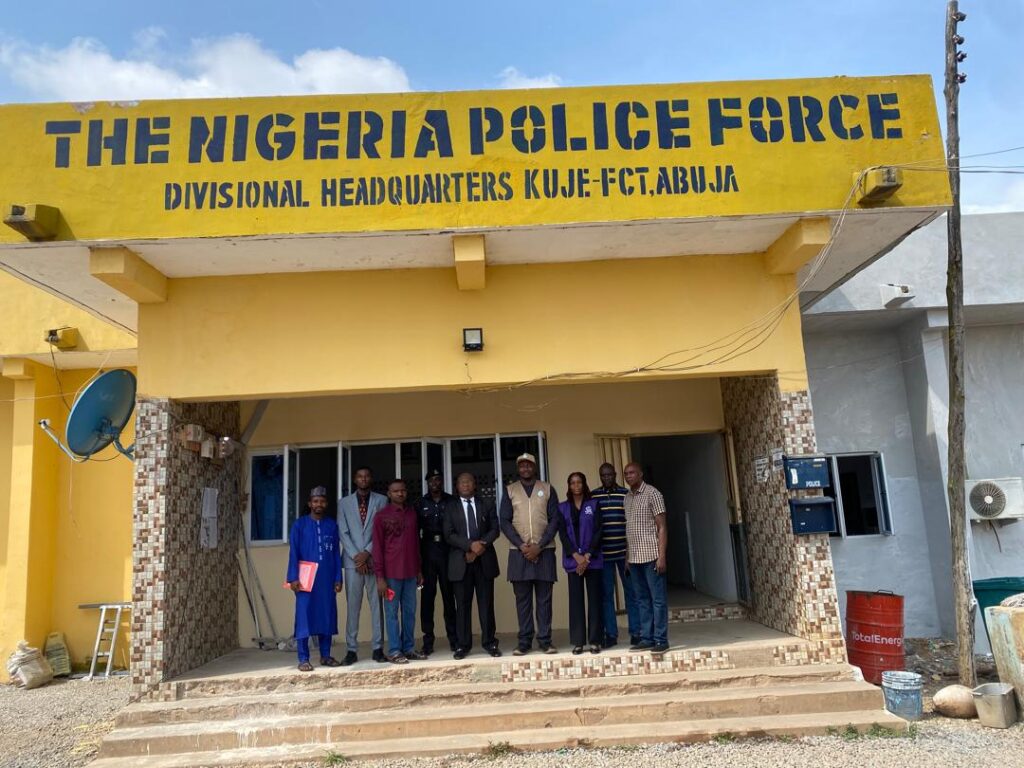
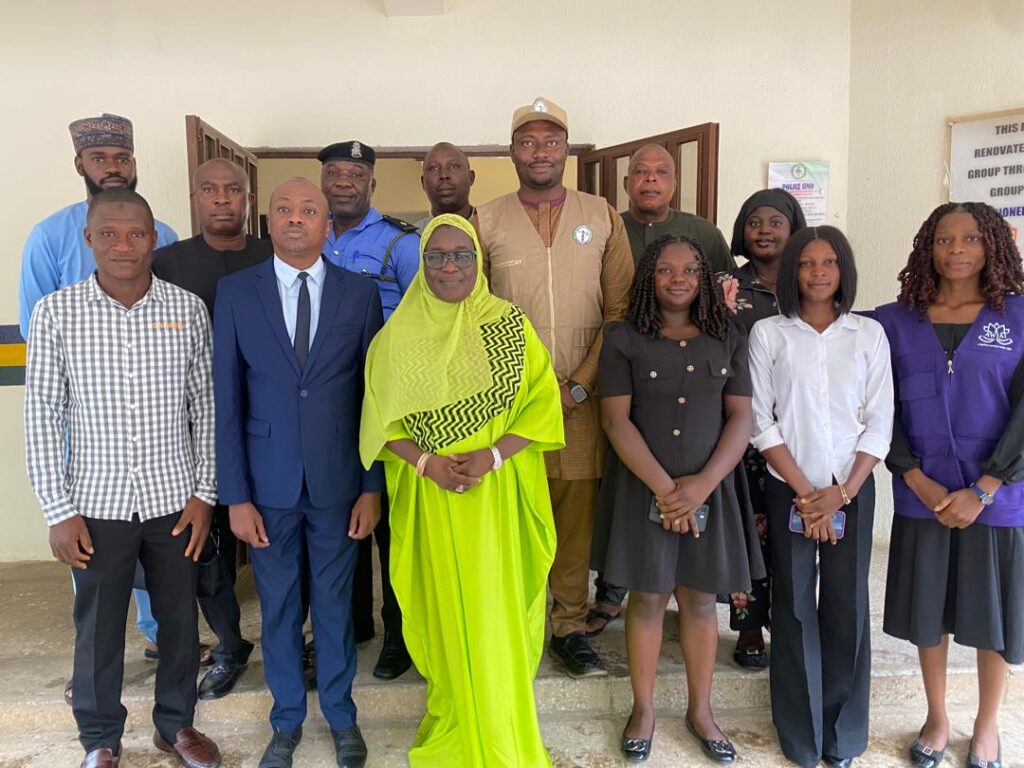
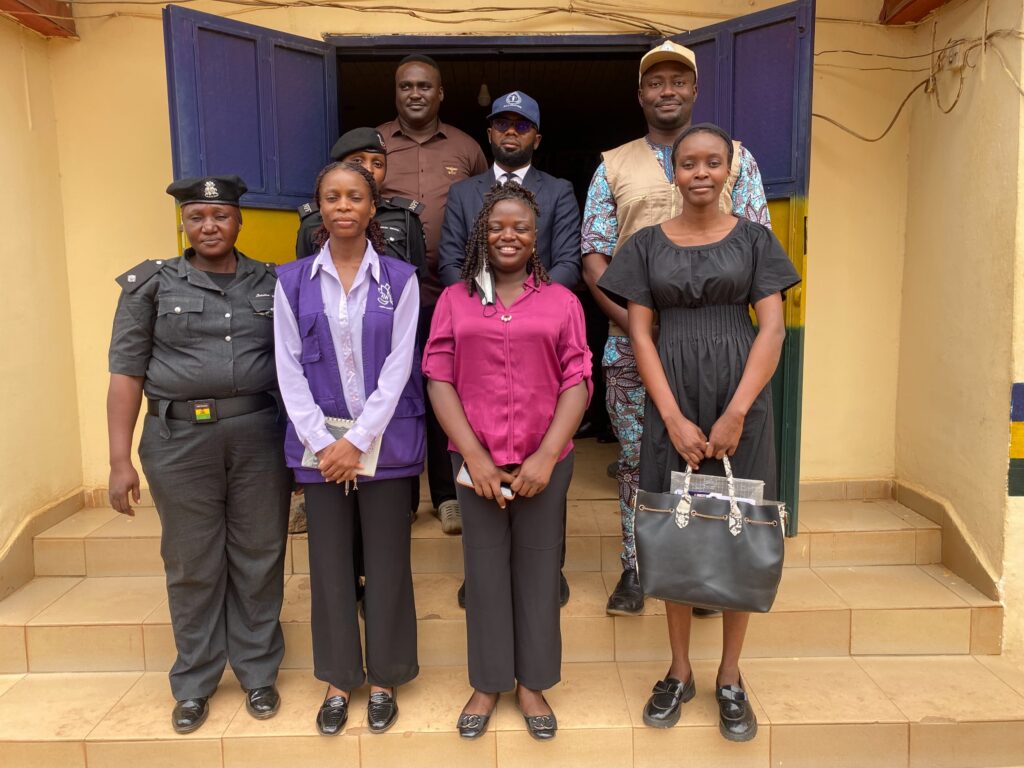
In June 2026, the Asabe Waziri Justice Advocacy Initiative (AWJAI), in collaboration with the Administration of Criminal Justice Monitoring Committee (ACJMC), Citizens’ Gavel and Legend Golden Care Foundation, participated in police oversight visits across the Federal Capital Territory.
The teams visited five police stations: Kuje, RiverPark, Maitama, Karu and Nyanya, engaging with a total of 20 detainees.
The visits were led by His Worship, Magistrate Mohammed Munir Sani; His Worship, Magistrate Abdulkadir Abubakar Jega; and His Worship, Hon. Haruna A. Haruna.
What We Found and Did
During the visits, we interviewed detainees and reviewed the circumstances of their detention and progress of their cases. The visits produced the following outcome:
- 3 detainees granted bail
- 9 detainees charged to court
- 1 detainee confirmed to be held under a court-issued remand order
- Other cases reviewed at different stages of investigation or court proceedings
- Follow-up action directed in the case of a minor in police custody
The case of the minor at Maitama Police Station raised particular concerns. He had been in custody since 28 May 2026, due to difficulties faced by the police in identifying a safe support arrangement for his care. The visiting Magistrate raised concerns about his continued detention and directed ACJMC to follow up on the matter, taking into account the legal protections and welfare considerations applicable to children.
Issues Observed
The visits also highlighted concerns about detention conditions. Although the overall environments of the police stations visited was fair or satisfactory, the team observed inadequate sanitation and unpleasant in some detention cells.
These conditions matter. The fact that a person is in police custody does not take away their right to dignity and humane treatment.
Why Oversight Matters
Behind every detention record is a person waiting for an investigation to progress, a decision on bail to be made or an opportunity to appear before a court.
Regular oversight helps to identify unnecessary delays, review the legality and circumstances of detention, draw attention to vulnerable people in custody and encourage timely action on cases.
The June visits showed the practical value of this work is reflected in he tangible outcomes achieved. As a result of the visits, several detainees were granted bail, some cases progressed to court and a child in custody was identified for further intervention and follow-up.
AWJAI remains committed to working with ACJMC and other justice sector partners to strengthen accountability in police detention and protect the rights and dignity of people in custody.
Because no one should become invisible within the justice system.