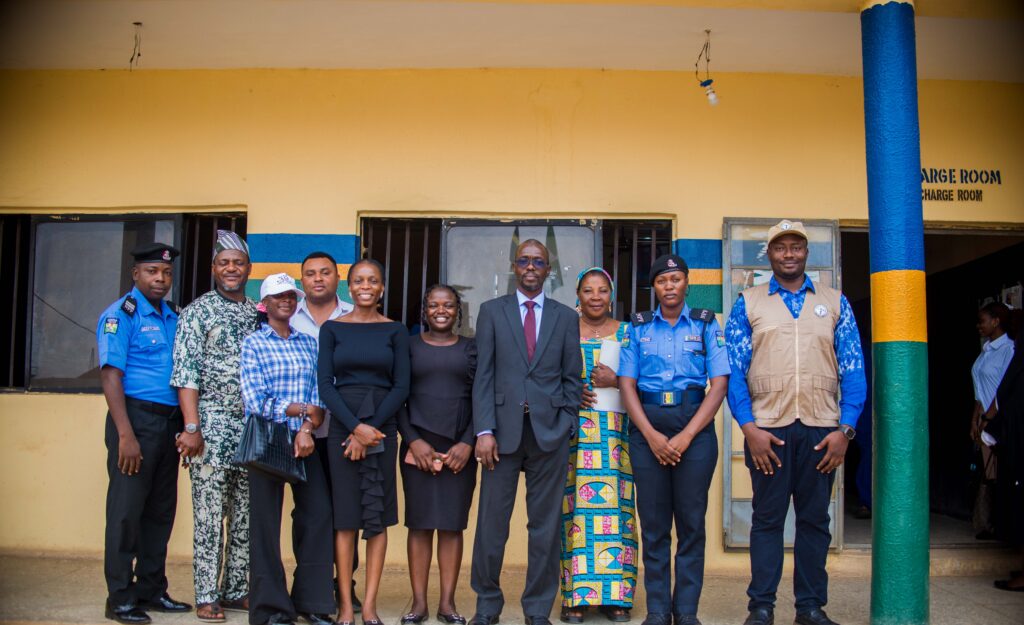
September 2026: What Police Detention Monitoring Reveals About Access to Justice
Seven police stations. Multiple cases. One important question: what happens after a person is arrested?
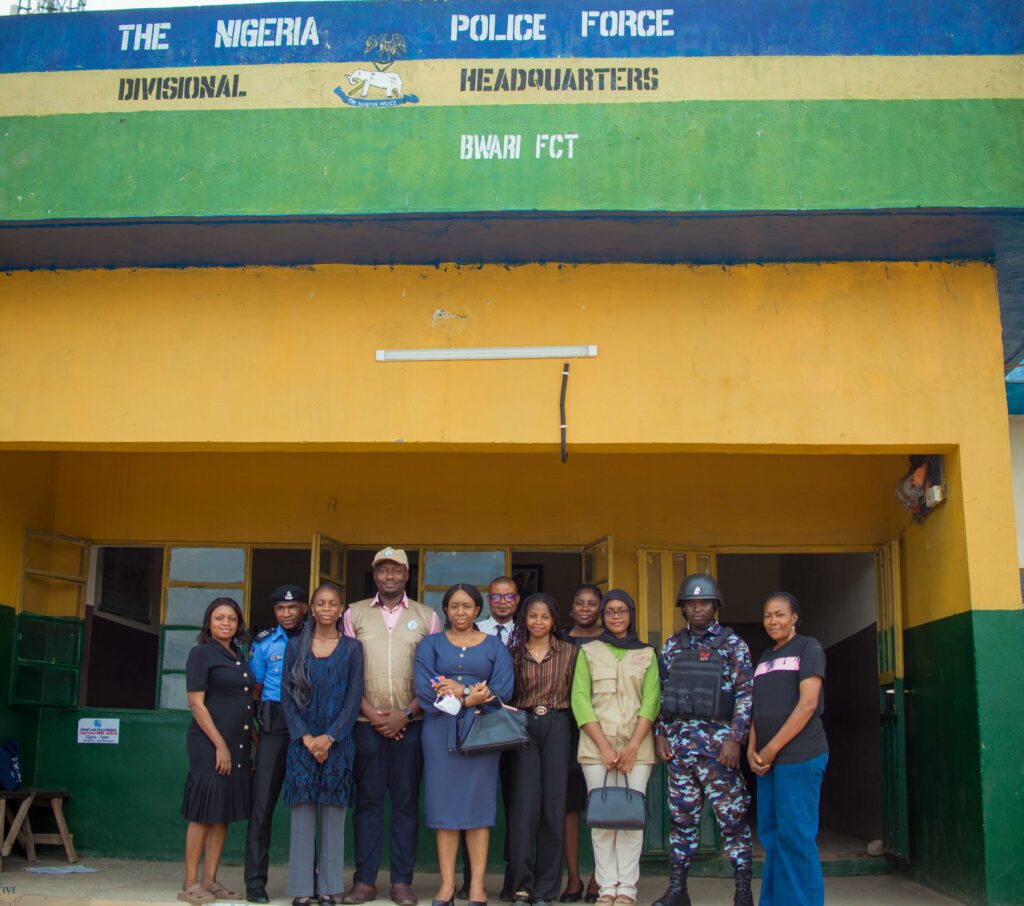
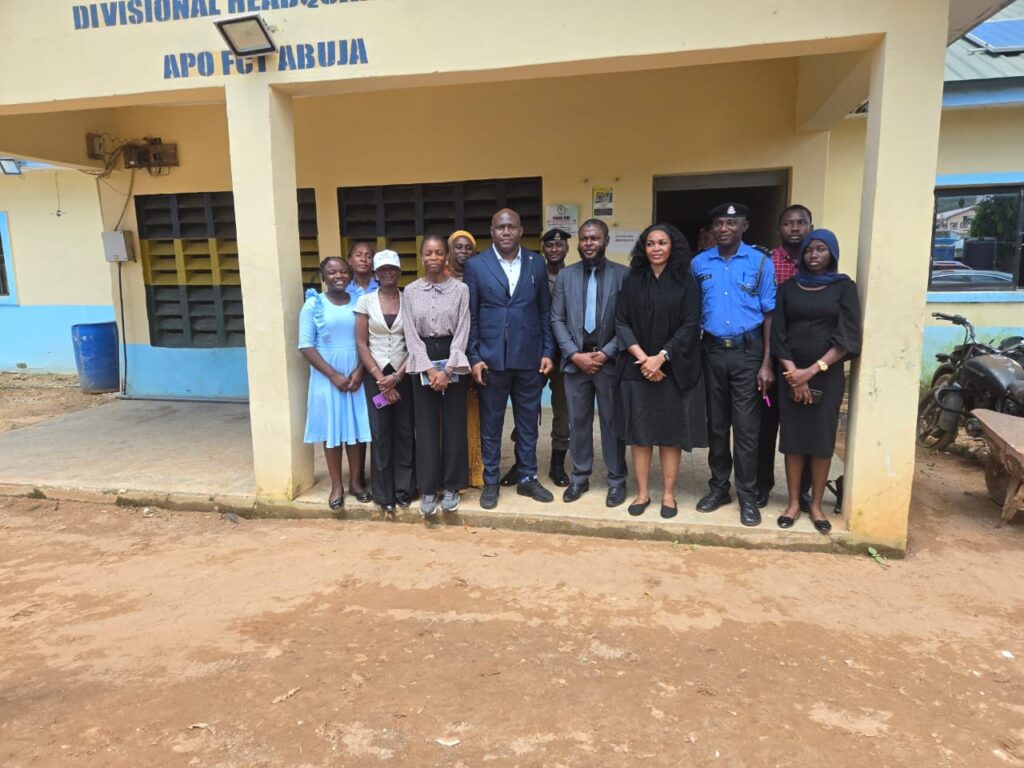
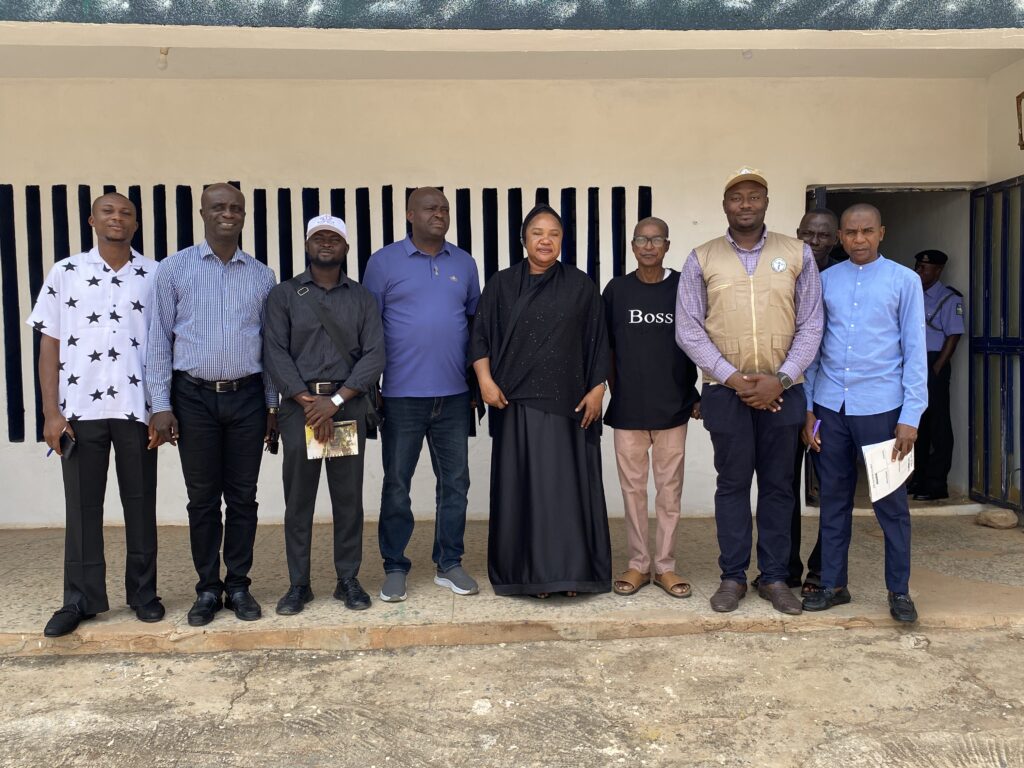
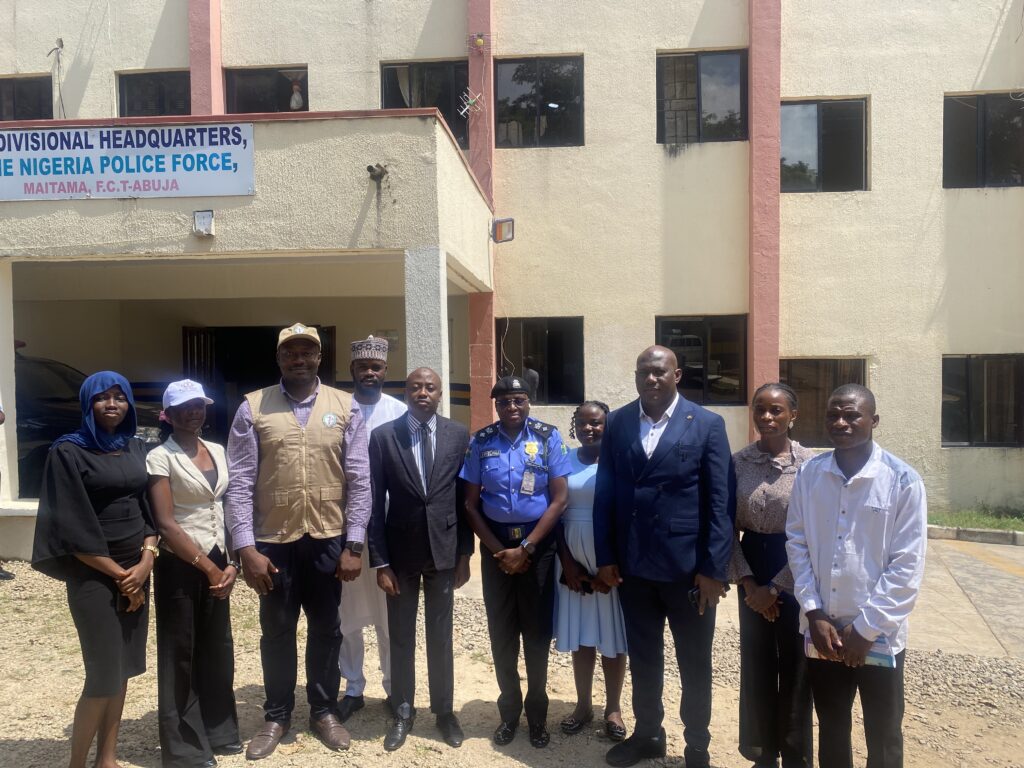
Throughout September 2026, the Asabe Waziri Justice Advocacy Initiative (AWJAI) joined detention monitoring visits to Nyanya, Bwari, Ushafa, Apo, Karu, Maitama and Lugbe Police Stations in Abuja.
AWJAI conducted the visits with the Administration of Criminal Justice Monitoring Committee (ACJMC), Equal Justice Initiative (EJI), Citizens’ Gavel, the Nigerian Bar Association (NBA), Magistrates, Chief Magistrates and Magistrate Court Registrars.
These visits go beyond routine inspections. They help justice-sector actors understand what happens after arrest. They also help identify cases that need attention, review detention conditions and support compliance with the Administration of Criminal Justice Act (ACJA), 2015.
What Is Detention Monitoring?
Detention monitoring involves visiting places where people remain in custody. Monitoring teams review cases, speak with detainees and examine their conditions of detention. They also check whether authorities are taking appropriate steps under the law.
Monitoring can help identify:
- prolonged detention without clear case progress;
- delays in investigation or arraignment;
- cases that may require bail or release;
- poor or unsafe detention conditions;
- gaps in custody records; and
- cases involving children or other people who need additional safeguards.
What Did the September Visits Show?
1. Arrest Should Lead to a Process
At several stations, monitoring teams reviewed cases where investigations remained ongoing or suspects had not yet been arraigned.
At Nyanya Police Station, the team reviewed cases that required further investigation. Magistrates directed officers to expedite the investigations and charge certain suspects to court within specified timelines.
At Apo Police Station, the Magistrate directed one case to proceed to court. The Magistrate also ordered bail for two detainees.
At Karu Police Station, the Chief Magistrate directed that several detainees be arraigned so that the court could consider their cases.
Why Does This Matter?
Police custody forms part of the justice process. Monitoring helps identify cases that need action and supports follow-up on the next steps.
A person’s arrest should not mean that their case remains unattended.
2. Children Need Child-Sensitive Justice Responses
The September visits also highlighted the need to identify children in police custody and address their cases appropriately.
At Maitama Police Station, the team encountered a 10-year-old child who had reportedly spent about two weeks in custody over an allegation of theft.
The case required a different approach from an ordinary adult criminal matter. The NBA Abuja Branch indicated that it would engage the Magistrate and DPO on an appropriate child-justice intervention, diversion and welfare response.
At Ushafa Police Station, the team also reviewed the case of a 17-year-old detainee. The team directed steps to establish his age and determine the appropriate response to his detention.
These cases show why age verification and child-sensitive justice responses matter when children come into contact with the criminal justice system.
3. Bail and Release Can Protect Rights
The monitoring visits also highlighted the role of bail and release in appropriate cases.
At Bwari Police Station, the Magistrate directed the release of some detainees on police bail. In another case, the circumstances reviewed did not establish an element of an offence, and the detainee was directed to be released.
At Apo Police Station, the Magistrate ordered bail for two detainees.
Such interventions can help prevent unnecessary or prolonged detention. They also give justice-sector authorities an opportunity to review whether continued custody remains necessary.
4. Detention Conditions Matter
Access to justice does not end with case progression. The conditions in which people remain in custody also matter.
At Karu Police Station, the monitoring report raised concerns about the male detention cell. The report described the cell as dilapidated and noted exposure to mosquitoes.
The report also noted that the female cell was not in use because of a leaking roof. As a result, female detainees were being kept in a corridor.
Recording these conditions helps justice-sector authorities identify concerns that require attention. It also reinforces the need to consider both case progression and the treatment of people in custody.
5. Proper Records Support Accountability
Accurate custody records are important throughout the justice process.
At Karu Police Station, His Worship emphasised the need to keep records from the point of arrest through arraignment or the grant of police bail.
At Lugbe Police Station, the monitoring team observed that officers had entered detainees’ details into the station record book only after the team’s arrival. His Worship then directed officers to record the names and particulars of people immediately when they arrive in custody.
Proper records make it easier to track who is in custody, why they were arrested and what has happened to their cases.
What Does Oversight Achieve?
The September visits show how detention monitoring can link individual cases with wider justice-system accountability.
By engaging police officers, detainees, Magistrates, court officials and civil society organisations, monitoring teams can identify cases that need immediate attention. They can also follow up on directives issued during monitoring visits.
The involvement of ACJMC, AWJAI, EJI, Citizens’ Gavel, the NBA, Magistrates, Chief Magistrates and Magistrate Court Registrars shows the value of collaboration between civil society and justice-sector institutions.
The Key Lesson
Being arrested is not the end of a person’s rights.
People in custody remain entitled to appropriate legal safeguards and humane treatment. At the same time, authorities must take the appropriate steps to move each case through the justice process in line with the law.
Children require additional child-sensitive safeguards when they come into contact with the criminal justice system.
For AWJAI, detention monitoring is not simply about counting detainees. It means asking what happened after arrest, identifying where the justice process needs attention, documenting concerns and supporting follow-up.
Through continued monitoring and collaboration, AWJAI remains committed to promoting access to justice, accountability and respect for human rights within Nigeria’s criminal justice system.
Because after an arrest, the question is not only who was detained. It is also: what happened next?