When Justice Is Delayed, Lives Are Put on Hold
Legal Aid and Access to Justice: Restoring Freedom Through Timely Legal Intervention
For people caught in the criminal justice system, a delayed case is more than a procedural setback. When an accused person is held in detention while a case makes little or no progress, every adjournment can mean another day away from family, work, and everyday life.
In the second quarter of 2026, AWJAI’s court engagements highlighted the consequences of such delays and the importance of timely legal representation.
Two Cases. Two Interventions. Two Freedoms Restored.
Mr. M had spent approximately three months at Suleja Correctional Centre while waiting for an alleged theft case against him to progress. He maintained that he is innocent, but the case repeatedly came up without meaningful progress.
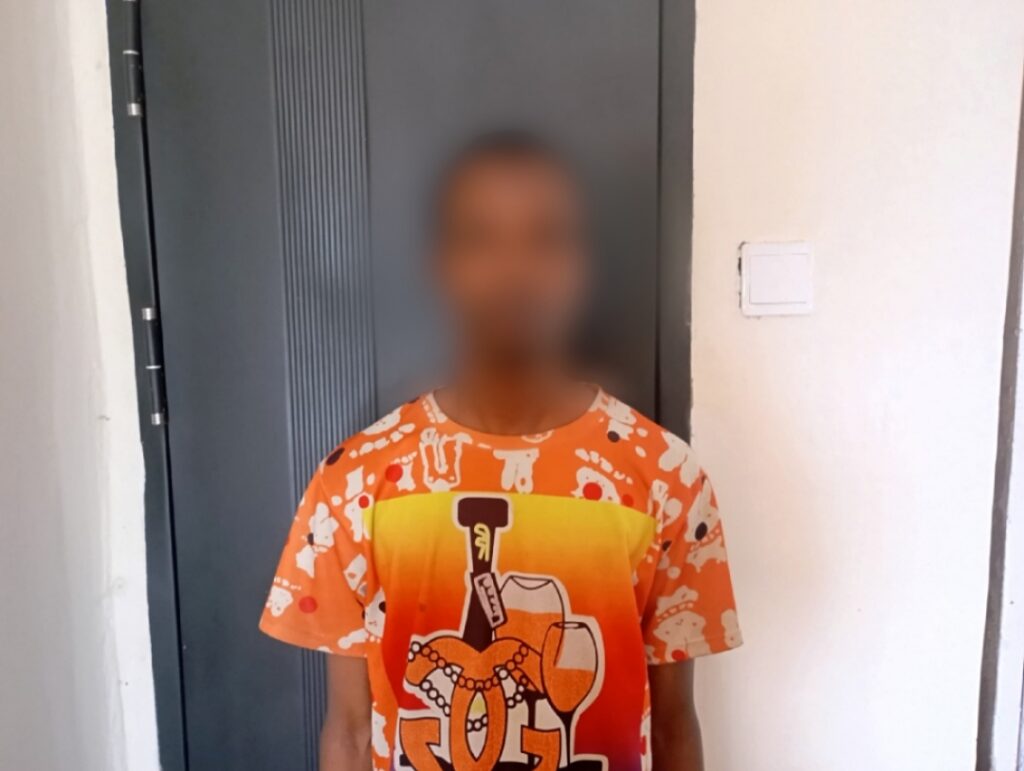
On 11 August 2026, AWJAI encountered Mr. M at the Magistrates’ Court in Kubwa during a court engagement. He was in court without legal representation, and AWJAI stepped in to provide legal assistance.
When the case was called, Mr. M was present, but the nominal complainant was absent. The prosecution also informed the court that it had not yet received the case file. The matter had already been adjourned several times without the nominal complainant making an appearance in court.
AWJAI’s lawyer applied for the case to be struck out for want of diligent prosecution. The court granted the application, and on 18 August 2026, Mr. M was discharged and regained his freedom.
Mr. F’s experience followed a different path but revealed a similar concern.
For eleven years, Mr. F worked as a security guard without receiving his wages. When he eventually sought payment for the work he had done, he was reported to the police. He was arrested, charged before the court, and remanded at Suleja Correctional Centre, where he spent approximately two months in detention.
What had begun as a dispute over unpaid wages had ultimately resulted in the loss of his freedom.
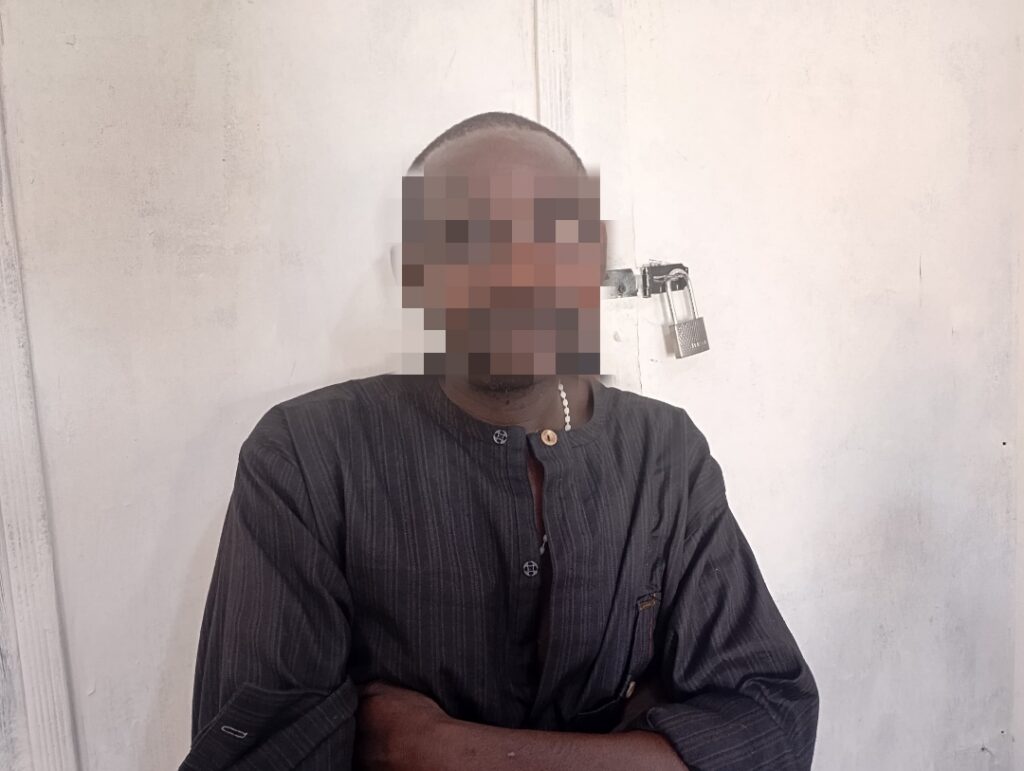
During a court engagement in June 2026, AWJAI met Mr. F who was without legal representation. AWJAI’s legal team stepped in and provided legal representation. Upon reviewing the case, AWJAI’s legal team identified that the nominal complainant had repeatedly failed to appear in court, which has caused the prosecution’s case to not progress further.
AWJAI’s intervention brought the lack of diligent prosecution before the court. On 27 July 2026, the court struck out the case for want of diligent prosecution, bringing the proceedings to an end and restoring Mr. F’s freedom.
The Impact of Legal Representation
Although the circumstances surrounding the two cases were different, both demonstrate a common challenge within the justice system. When cases do not progress, accused persons can remain caught in the system, sometimes in detention, without a meaningful resolution.
For individuals who cannot afford legal representation, these challenges can be even more difficult to navigate. Without legal assistance, prolonged detention, repeated adjournments, absent complainants, and procedural delays can continue without effective challenge.
AWJAI’s legal aid intervention helped bring these cases back into focus and ensured that the rights and interests of the accused persons were represented before the court.
Our Impact
Through its Legal Aid and Access to Justice Programme, AWJAI engages with courts and justice institutions to identify vulnerable persons who require legal assistance and support them in navigating the justice system.
The interventions in the cases of Mr. M and Mr. F demonstrate the practical value of this work:
● 2 vulnerable persons received legal representation
● 2 cases were struck out for want of diligent prosecution
● 2 individuals regained their freedom
● Approximately 5 months of combined detention were brought to an end
Beyond these individual outcomes, the cases reinforce AWJAI’s broader commitment to ensuring that poverty, lack of legal representation, or unnecessary delays do not become barriers to justice.
Justice Should Not Be a Waiting Game
For Mr. M, three months of detention ended after AWJAI intervened when his case had stalled.
For Mr. F, years of unpaid work ultimately led to detention, but legal intervention helped bring an unduly prolonged prosecution to an end.
Their stories remind us that justice is not only about what happens when a case is decided. It is also about ensuring that proceedings are fair, timely, and properly pursued and that people are not left behind in a system they may not have the resources or knowledge to navigate alone.
At AWJAI, we believe access to justice means ensuring that every person has a fair opportunity to be heard, represented, and treated with dignity. When justice is delayed, lives can stand still. And sometimes, one timely legal intervention can help them move forward again.