August 2026 Police Detention Monitoring Summary
Monitoring Detention. Promoting Due Process. Advancing Access to Justice.
In August 2026, the Asabe Waziri Justice Advocacy Initiative (AWJAI) continued its police detention monitoring activities across selected police stations in the Federal Capital Territory (FCT).
The monitoring visits were undertaken as part of AWJAI’s commitment to promoting access to justice, safeguarding the rights and dignity of persons in police custody, strengthening institutional accountability, and supporting compliance with the Administration of Criminal Justice Act (ACJA).
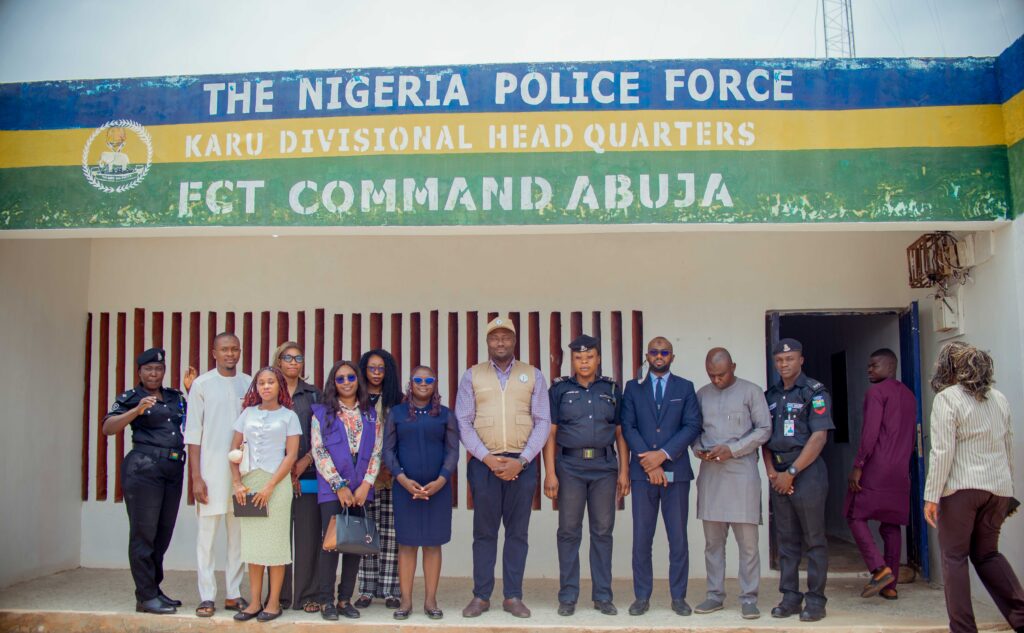
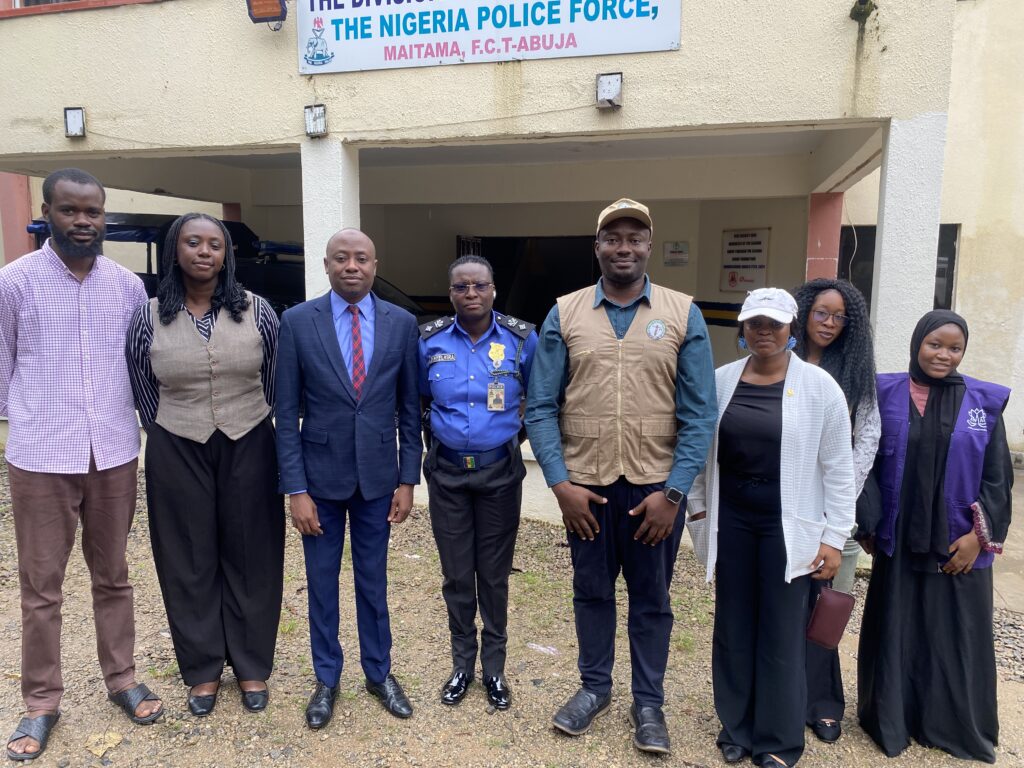
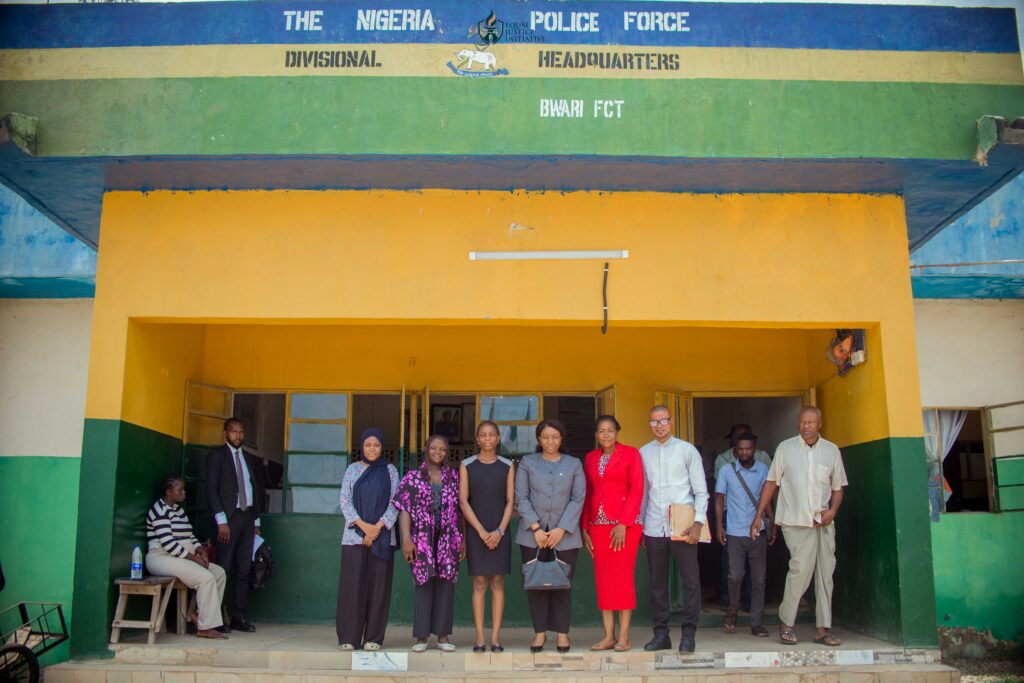
During the month of August, monitoring activities covered six police locations: Karu Division, Nyanya Division, Karu Area Command, Maitama Police Station, Bwari Police Station, and Ushafa Police Station.
Highlight of Cases Reviewed
Across the six locations, the monitoring teams documented and reviewed 20 cases involving persons in police custody.
The cases covered a range of allegations and circumstances, including:
- Theft and alleged stealing;
- Receiving stolen property;
- Criminal conspiracy;
- Armed robbery and alleged robbery;
- Assault;
- Road traffic-related incidents;
- Breach of contract;
- Alleged misappropriation of funds;
- Breach of trust; and
- Alleged sexual offences involving minors.
The visits enabled monitoring teams to engage with detainees and police personnel, review the circumstances surrounding arrests, assess the progress of investigations, and identify cases requiring further legal or procedural attention.
Supporting Due Process and Timely Case Resolution
A significant component of the August monitoring exercises was following up on the legal status of persons in custody and ensuring that appropriate action was being taken.
Across the monitored stations, some cases were processed for charge to court, while others were referred or scheduled for further investigation by the Criminal Investigation Department (CID).
The monitoring teams also recorded cases in which bail or release was directed, including instances where continued detention was no longer considered appropriate. In one case at Bwari Police Station, an alleged breach of trust was determined to be civil in nature, resulting in the individual’s release on bail.
Other cases presented opportunities for settlement or alternative dispute resolution, particularly where the circumstances indicated that a dispute was civil or contractual rather than criminal in nature.
These interventions demonstrate the value of regular detention monitoring in identifying cases where persons may otherwise remain in custody despite the availability of lawful alternatives.
Cases Requiring Continued Attention
The monitoring visits also highlighted cases requiring careful follow-up, particularly allegations involving minors and serious offences such as rape and armed robbery.
At Bwari Police Station, three cases involving allegations against minors were identified for transfer to CID for further investigation. At Ushafa Police Station, a case involving an allegation of rape of a minor was also documented and requires appropriate legal attention and follow-up.
AWJAI recognises that allegations involving children require particularly careful handling, including proper investigation, protection of the alleged victim, and adherence to due process for all parties.
Collaboration and Justice-Sector Engagement
AWJAI’s August monitoring activities were strengthened through collaboration with justice-sector and civil society partners.
The Karu and Nyanya Police Station visits were conducted in collaboration with Equal Justice Initiative (EJI), Citizen Gavel, and His Worship Magistrate Aminu.
The Maitama Police Station visit was conducted alongside His Worship Magistrate Abubakar Jega, the Administration of Criminal Justice Monitoring Committee (ACJMC), Public and Private Development Centre (PPDC), and Hope Behind Bars Initiative.
The Bwari and Ushafa Police Station visits were conducted in collaboration with Equal Justice Initiative (EJI), Citizen Gavel, and His Worship Magistrate Chinoye.
These partnerships reflect the importance of coordinated monitoring and engagement among justice-sector institutions and civil society organisations in strengthening accountability and access to justice.
Key Outcomes
The August monitoring exercises contributed to:
- Identification and documentation of 20 cases across six police locations;
- Review of the circumstances and status of persons in police custody;
- Follow-up on cases requiring further investigation or referral to CID;
- Identification of cases being processed for charge to court;
- Identification of cases appropriate for bail or release;
- Recognition of disputes that may be civil in nature and suitable for alternative resolution; and
- Continued engagement with police and justice-sector actors on due process and the rights of persons in custody.
Conclusion
AWJAI’s August 2026 monitoring activities reaffirmed the importance of regular and independent oversight of police detention facilities.
Monitoring provides an important mechanism for identifying procedural concerns, following up on investigations and court directives, supporting timely case resolution, and ensuring that persons in custody are treated in accordance with the law.
For AWJAI, detention monitoring is not simply about documenting who is in custody. It is about asking why they are there, how their cases are progressing, and whether their rights are being respected.
As AWJAI continues its access-to-justice work, the organisation remains committed to strengthening accountability, promoting due process, and advocating for a criminal justice system that protects the rights and dignity of everyone who comes into contact with it.